
What Is a Brand Activation? The Complete Guide
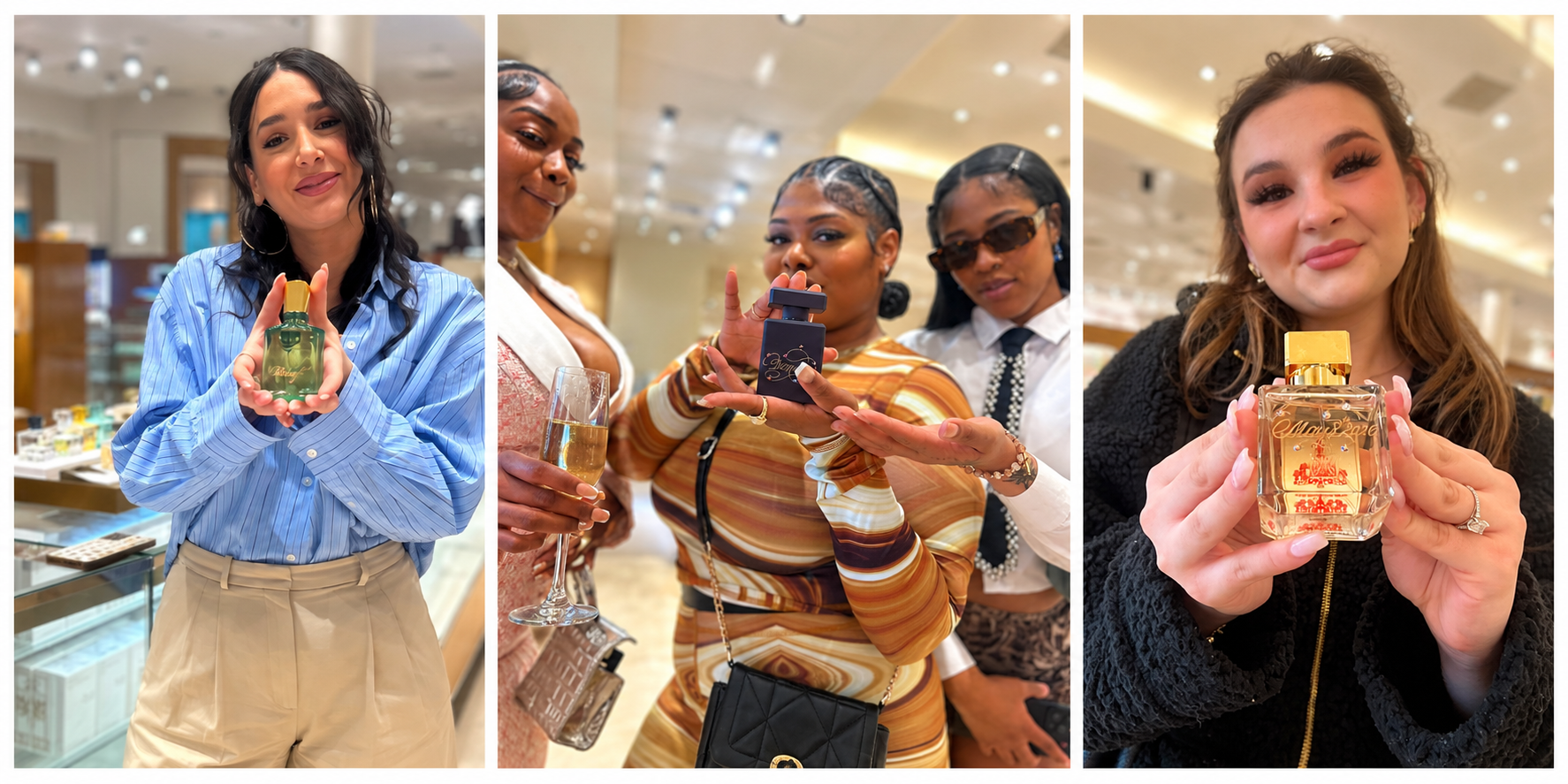
Picture this: a guest at a luxury retail event watches an artist engrave her name onto a bottle of champagne in real time. She pulls out her phone, films the whole thing, and posts it before she even steps out the door. Anecdotally, that single moment generated more genuine brand conversation than the week of paid media surrounding the same event. It was personal, visually compelling, and genuinely rare. That is a brand activation doing exactly what it was designed to do.
Brand activation is a time-bound campaign or experience built to spark direct interaction and prompt a specific action. Not awareness, not impressions, action. A person tries a product, shares a moment, signs up, or buys. It is the opposite of a passive ad, where a brand speaks and the audience absorbs. In an activation, the brand and the person actually exchange something. That exchange is the whole point.
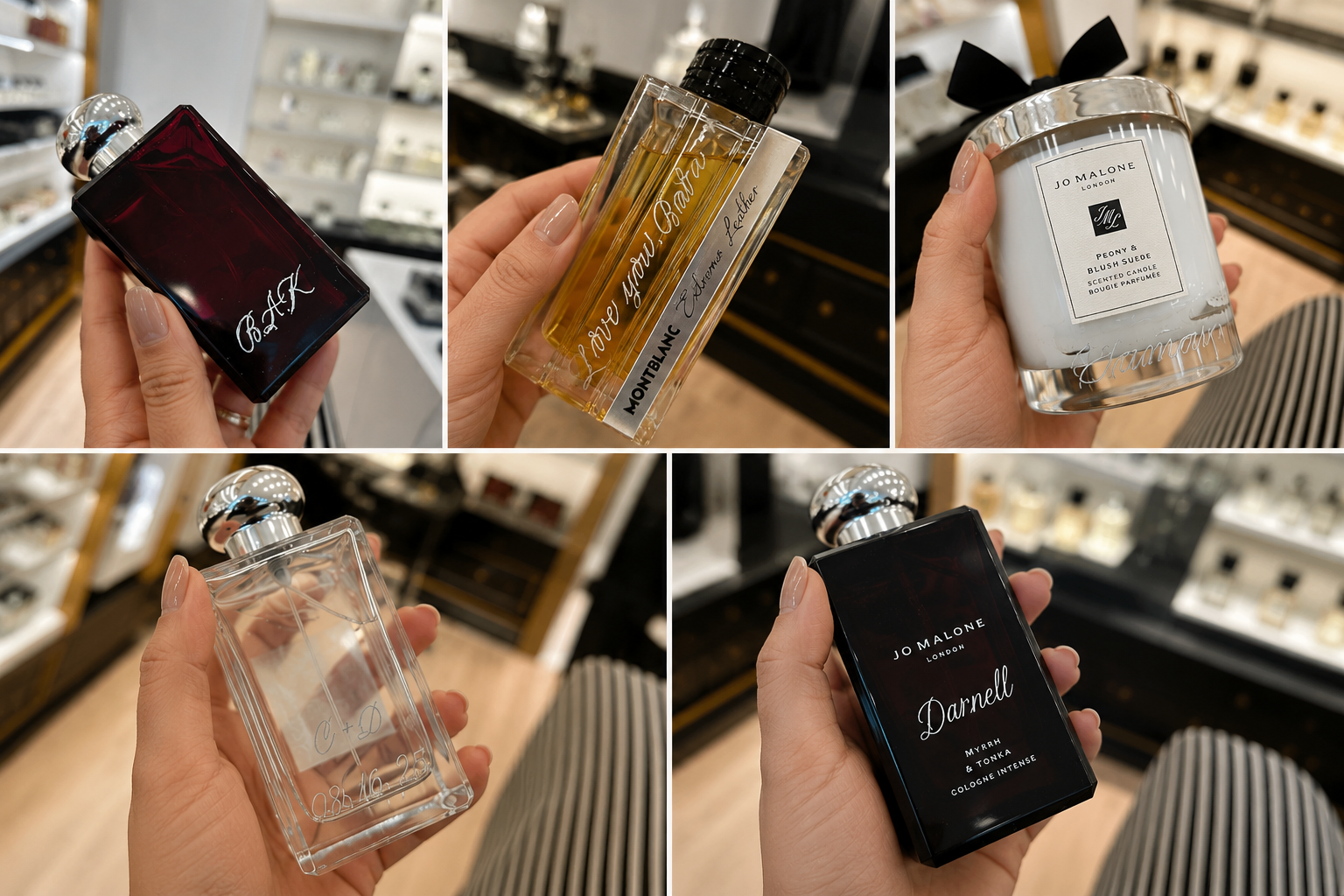
At Yatova Artists, a luxury live event personalization studio serving brands across North America, we create moments like the one above at brand activations, product launches, and in-store events every week: live calligraphy, hand engraving, and custom bottle painting. Through that work, we have developed a clear picture of what separates a forgettable brand moment from one that people talk about for months, backed by social metrics, repeat client bookings, and direct guest feedback. This guide covers what brand activation really means, why it works, which formats to use, and how to plan and measure an activation campaign that drives real results.
What brand activation actually means?
Brand activation is a specific marketing campaign, event, or experience designed to bring a brand to life through direct consumer participation. The goal is a measurable response: a trial, a purchase, a share, a sign-up. It is not a passive impression delivered through a screen. It is a deliberate, structured exchange between brand and person that produces something observable.
Three terms get confused constantly in briefs and strategy decks: brand activation, experiential marketing, and brand engagement. They are related but not interchangeable. Experiential marketing is the broader philosophy, the belief that people should feel a brand, not just see it. Brand activation is one execution within that philosophy: the specific campaign built to deliver a direct response. Brand engagement describes the ongoing relationship and emotional connection a brand builds over time, not a single campaign. Mixing them up leads to vague objectives and metrics that cannot tell you whether anything actually worked.
Why brand activations work: the psychology behind them
People remember what they do far more than what they see. When someone participates in a brand experience, they form a stronger emotional memory than any ad can create. The reason is biological: emotionally significant events get tagged by the amygdala and encoded into long-term memory by the hippocampus. Active participation, multisensory input, and face-to-face human interaction all amplify that encoding. Passive advertising creates mostly semantic memory, facts about a brand. A great activation creates episodic memory: a specific experience with personal meaning attached to it.
That is why, consistent with event marketing industry benchmarks, well-executed activations drive post-event brand recall rates of 60 to 80 percent. The activation becomes a story the guest carries with them, and stories travel. When an experience is visually compelling or personally meaningful, guests document it voluntarily and share it without being asked, the activation becomes its own media channel. That organic content generation extends reach to audiences the brand never directly touched. Research into earned media value (EMV) and user-generated content consistently shows that UGC delivers stronger trust signals and broader organic reach than equivalent branded content spend, making it one of the most powerful and undervalued outcomes of a well-designed campaign.
The main activation formats shaping event marketing in 2026
Brand activations come in several distinct formats, and choosing the right one depends entirely on the campaign objective and the audience being reached. The most widely used formats are pop-ups, in-store activations, sampling campaigns, mobile roadshows, digital and hybrid experiences, sponsorship activations, and live art experiences. Each operates on a different mechanic, but they all share the same core goal: put the brand in direct contact with the right person at the right moment.
High-traffic and retail formats
Pop-up activations create urgency through limited time and exclusive access. In-store activations transform a regular shopping visit into an event, increasing dwell time and purchase intent. Sampling campaigns lower the barrier to trial by removing the financial risk of buying before experiencing. Together, these formats anchor most shopper marketing programs because they intercept consumers at or near the point of purchase.
Reach and scale formats
Roadshows bring the activation across multiple cities, which is essential for national brands with regional audiences. Digital and hybrid activations layer social media, AR, or interactive content onto a live moment to extend reach beyond the room. Sponsorship activations embed the brand inside an event the audience already cares about, borrowing credibility and attention.
Live art and personalization experiences
One format gaining significant traction among luxury retailers, beauty brands, and spirits companies is the live art experience. A live personalization station, where a skilled artist creates something custom for each guest on the spot, functions as a centerpiece activation that is simultaneously content creation, product gifting, and brand storytelling. It works because it delivers three things at once: it is personal, watch-worthy, and rare. Generic activations check none of those boxes. The best ones check all three.
What separates a forgettable activation from one people actually share
The activations that stay in people's minds share three consistent traits, and each one is worth understanding on its own terms. They are personal: something was made for or given to the guest specifically, not handed to everyone in line. They are watch-worthy: there is something visually compelling happening in real time that people naturally want to document. And they are rare: the guest feels they experienced something unavailable anywhere else, which creates the sense of exclusivity that luxury audiences particularly respond to. Strip out any one of those three traits and the likelihood of organic sharing drops significantly.
This is where Yatova Artists comes in. When we set up a live calligraphy or hand-engraving station at a brand event, every element of that experience is structured around those three traits. A guest who watches her name being engraved onto a bottle of spirits does not just leave with a product. She leaves with a story. She films it, posts it, and shares it with people who were not at the event, people who now associate that brand with something beautiful and personal. Research into UGC performance shows that authentic phone footage shot in the moment often achieves higher trust scores and stronger organic reach than polished brand content, particularly among younger audiences who value perceived spontaneity. A single well-designed activation station can generate meaningful organic social content in one evening that would take a comparable paid media spend considerably longer to match.
How to plan and measure a brand activation campaign
Building your activation strategy
Every activation starts with one clear objective. Awareness, trial, lead capture, and sales uplift are the four primary ones, and the entire planning process flows from whichever one you choose. Once the objective is defined, you select the audience and match the format to them. Then you develop the creative concept, set the budget, and plan logistics, venue, permits, staffing, vendors, and load-in, before building an amplification layer so the activation has a life beyond the physical room.
For Canadian markets, realistic lead times break down like this. Sampling campaigns and smaller pop-ups typically need 4 to 8 weeks. Larger in-store activations or experiential installs in cities like New York, Toronto, Chicago, Miami, Los Angeles, San Francisco need 8 to 12 weeks minimum, sometimes more if fabrication is involved. Multi-city programs should be planned 3 to 6 months out. Budget ranges follow a similar structure (figures are in Canadian dollars and reflect industry benchmarks from 2024 to 2026, varying by market scale and scope):
Sampling campaigns: $10,000 to $35,000 for a single-market activation
Pop-ups: $25,000 to $65,000 all-in for a modest branded space
Experiential installs: $30,000 for a basic setup, scaling to $150,000 or more for an immersive, multi-market build
Activation campaign KPIs and measurement methods
The right KPIs depend entirely on the objective, and they must be set before the activation launches. Setting them after the fact increases the risk that results will be reported selectively rather than evaluated honestly.
Use the following benchmarks as planning targets, measured through the tools noted:
Awareness: Impressions and reach (tracked via UTM links on digital amplification and QR code scans at the venue); post-event brand recall 60 to 80 percent (measured through post-event surveys or panel lift studies)
Engagement: Dwell time 3 to 8 minutes (staff observation or sensor data); interaction rate 25 to 40 percent of footfall
Lead capture: Data capture rate 15 to 35 percent of visitors (tracked via unique redemption IDs or form submissions at point of interaction)
Sales: Trial-to-purchase conversion 8 to 12 percent; immediate sales lift 3 to 8 percent (measured through promo codes or unique SKU tracking tied to the activation)
Across all formats, UGC volume and earned media value offer a useful supplementary signal, particularly for activations where organic sharing is a primary amplification mechanism.
Building activations that earn their place in people's lives
A brand activation at its best is not just an event. It is a decision to close the distance between a brand and the people who matter most to it. The formats differ, the budgets vary, the tactics evolve, but the core mechanic stays the same: direct interaction that produces a feeling, a memory, and ideally a story worth sharing.
Whether that moment comes through a sampling campaign, a pop-up, a digital experience, or a live personalization station like the ones Yatova Artists creates for luxury brands across United States, the principle holds. The brands that win at activation do not just show up in people's feeds. They show up in people's lives. Reach out to the Yatova Artist team and start with one clear objective. Choose the format that fits your audience, put the right measurement tools in place before day one, and build from what you actually learn.